 One of the most unique “finds” in the Spirit of ’76 was a set of slides. A narrative was included with them. Tina Day (now Peterson) turned out to be the author of the narrative, and she also took the photos that became a slide show.
We were able to recreate the slides by borrowing a projector from the Pulaski County Public Library, showing the slides on a screen, and taking a photograph of each slide.
A combination of damage from 50 years in a vault and a non-professional photographer taking photographs of a slide show created a less-than-perfect history. But it was fun!
Fireplugs for 1776
By Tina Day
Paint A Plug for America started out with the transformation of just one hydrant in South Bend, Indiana. The first one was painted into a miniature Revolutionary War patriot. They now brighten up hundreds of somber streets in anticipation of the American Bicentennial in 1976.
This idea was designed and copyrighted by Run von Karowsky. Volunteers paint hydrants in residential areas and in the downtown district. Mr. vn Karowsky first painted the hydrant outside her home over Labor Day weekend in 1972.
The representative of this program in Winamac is Mrs. Richter.

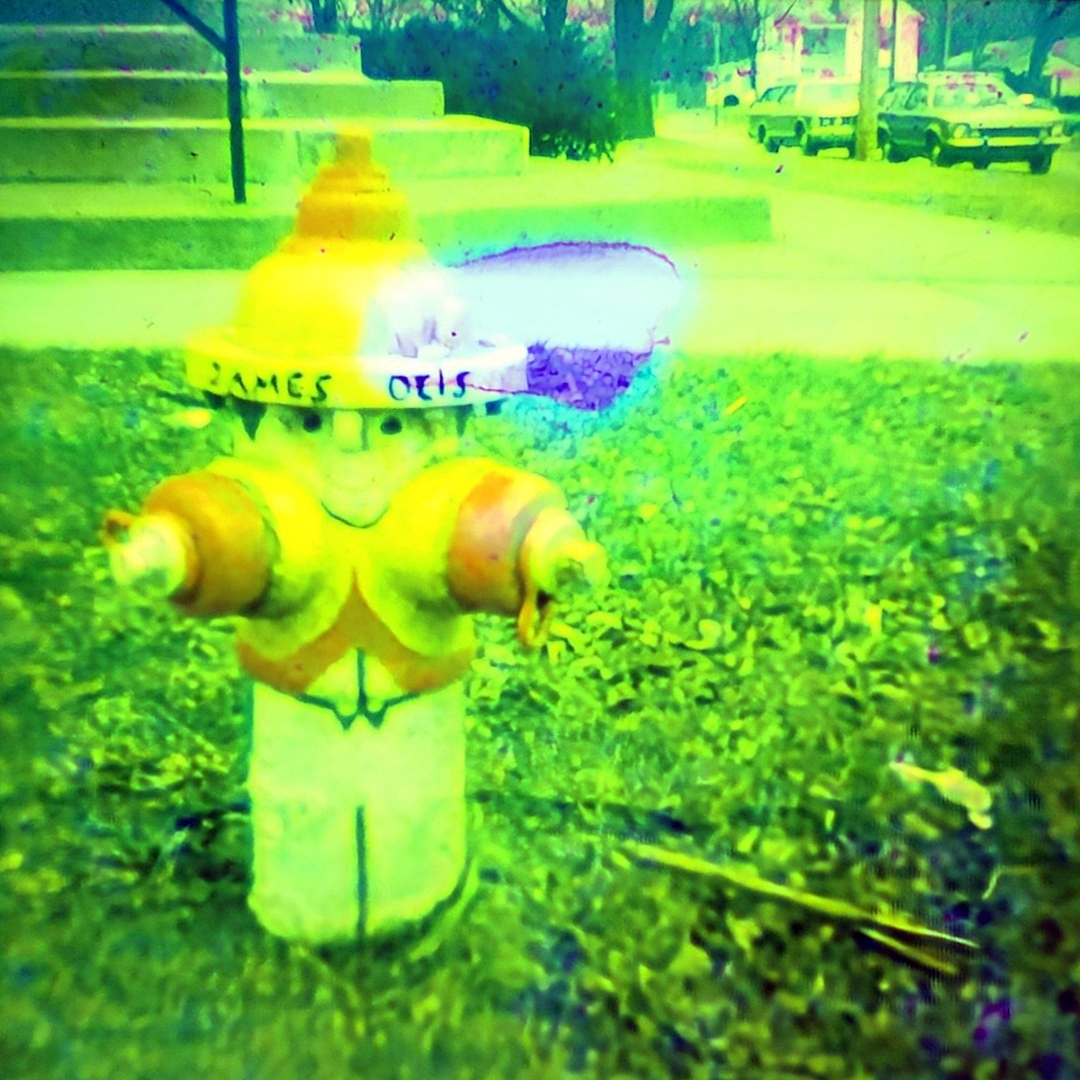
James Otis (1725 – 1783)
James Otis was an American patriot and agitator against Great Britain. Otis was one of four representatives of Boston to the General Court, the provincial legislature, in 1761. There he proposed a meeting of representatives of all the colonies. His plan led to the Stamp Act Congress on 1765.
In 1768, Otis answered the British demand that the Massachusetts Assembly take back its plea to the colonies to fight the Townshend Acts by saying, “We are asked to rescind, are we? Let Great Britain rescind her measures, or the colonies are lost to her forever.”
The next year, as he entered the British Coffee House, Otis was attacked by British reserve officers who resented his letter criticizing their acts and methods. A head wound received during the attack eventually caused Otis to lose his mind. He was killed by lightning.
He was born in West Barnstable, Massachusetts, and was graduated from Harvard in 1743. He became King’s Advocate-General of the Vice-Admiralty Court at Boston in 1756. He resigned four years later when the British revived the expiring Writ of Assistance.

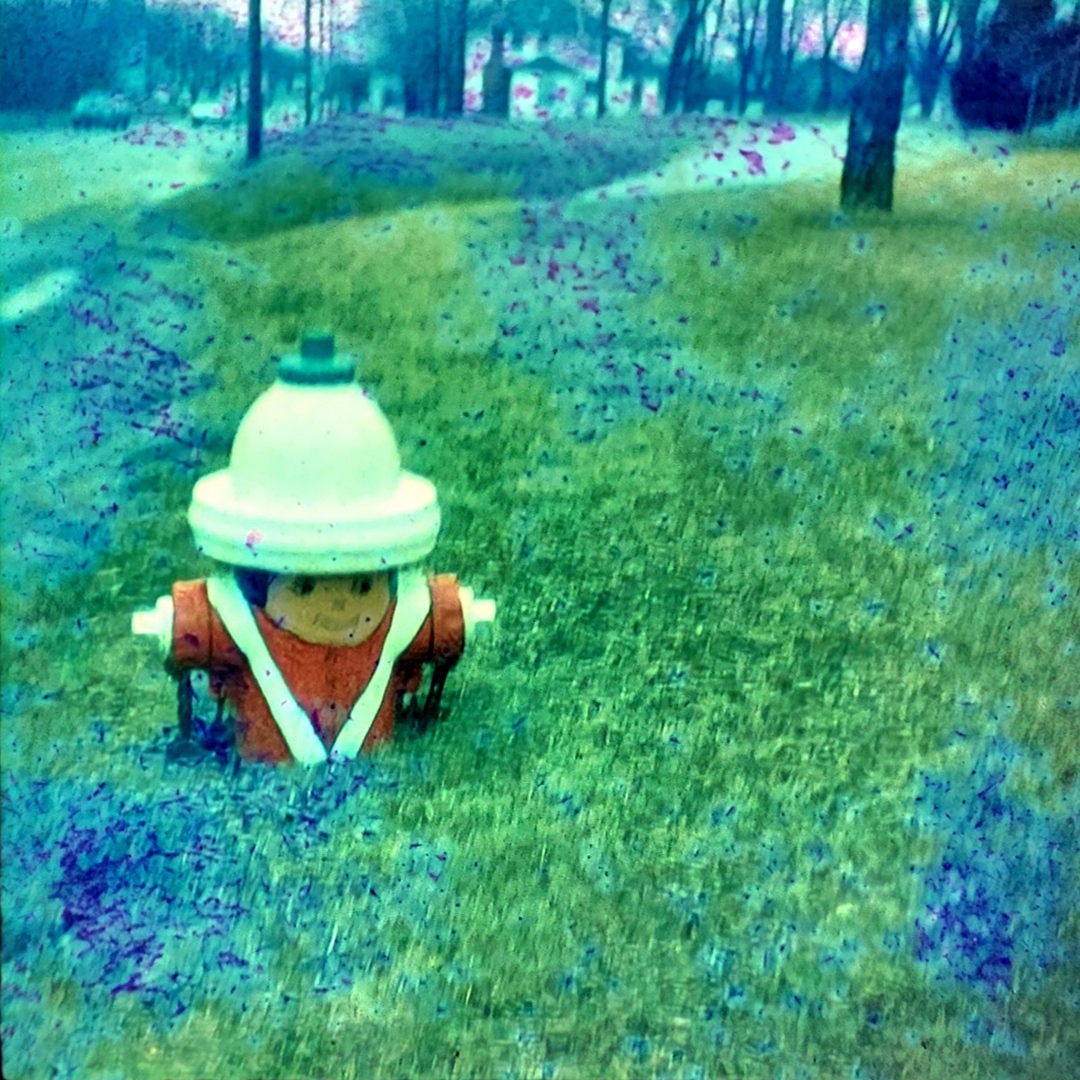
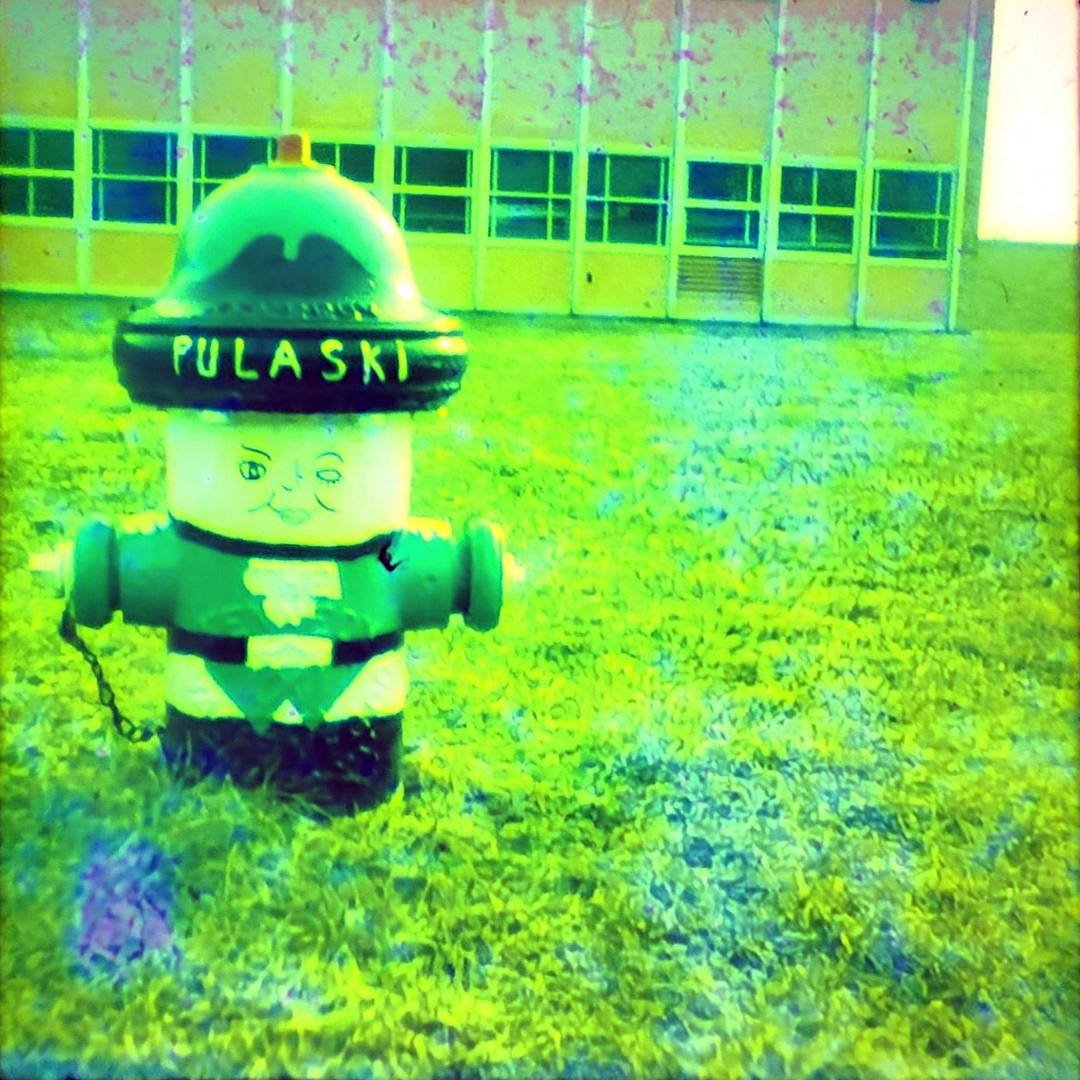
Casimir Pulaski (1748 – 1779)
Casimir Pulaski, a Polish soldier, joined George Washington’s forces and distinguished himself in the Battle of Brandywine. As a reward, Congress appointed him Brigadier General in charge of Cavalry. The following year, he organized an independent corps of cavalry and light infantry which became known as Pulaski’s Legion. The Legion participated in the siege of Savannah where Pulaski was wounded on October 9, 1779. He died two days later.
In his twenties, Pulaski led an unsuccessful revolt of Polish forces against Russia, which controlled Poland. At that time, arrested and condemned to death, Pulaski fled to Turkey, and eventually he reached France. He learned of the American cause through Benjamin Franklin in France and sailed for America, arriving in July, 1777.
Pulaski was born in the province of Podolia, Poland, and entered upon a military career at an early age. By an act of the United States Congress, October 11 is observed as Pulaski Day.
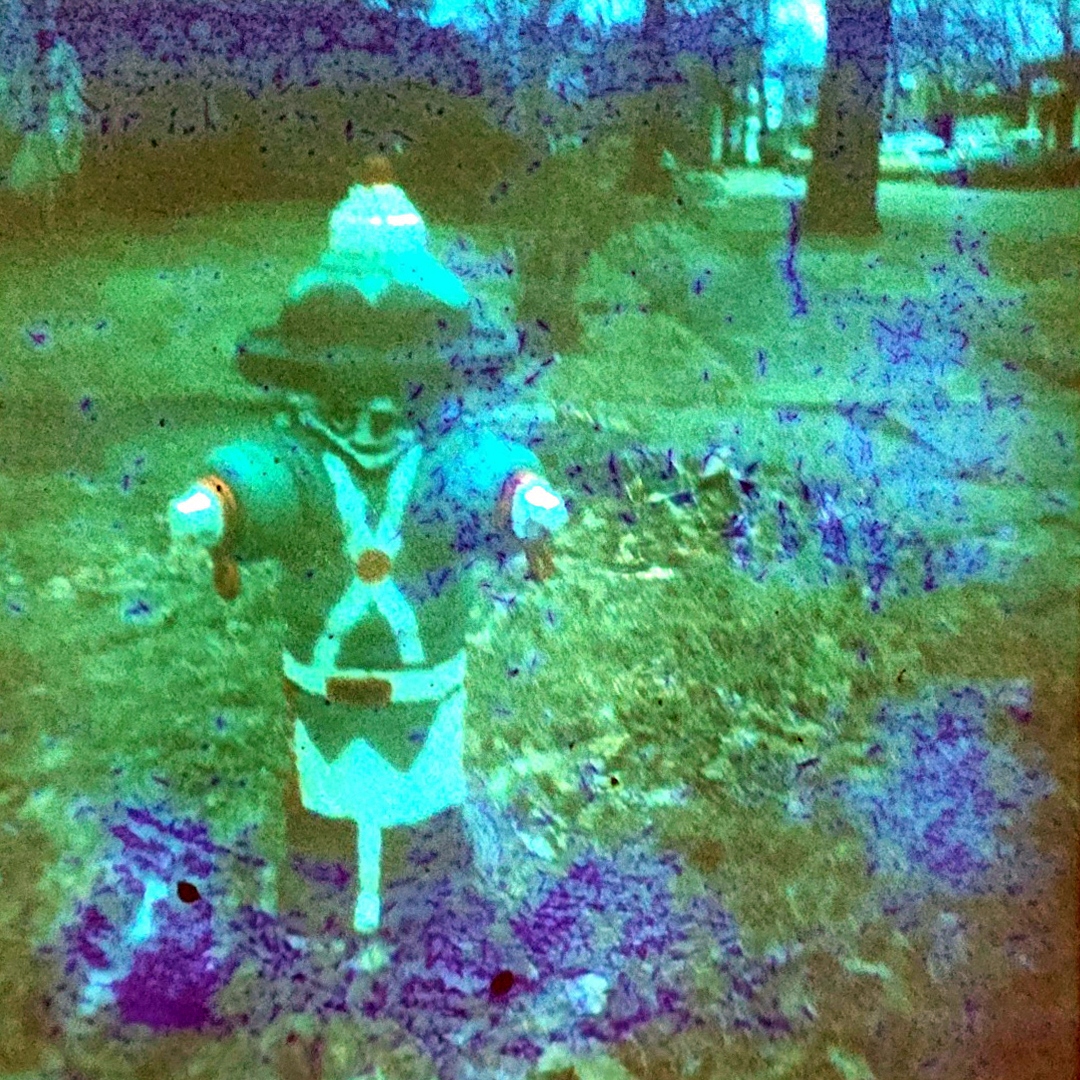

Nathan Hale (1750 – 1776)
Was an American patriot of the Revolutionary War. He was hanged by the British as an American spy when he was 21 years old. His conduct and his courage have made him one of America’s best-remembered heroes.
Hale, one of 12 children, was born in Coventry, Connecticut, on June 6, 1755. He had a good mind, a strong athletic body, and a relatively calm, rather pious temperament.
Before he was hung, Hale said, “I only regret that I have but one life to lose for my country.” And so he died, a hero and a patriot.

John Glover (1732 – 1797)
John Glover commanded the Marblehead Fishermen, the regiment that ferried Washington’s men across the Delaware to attack Trenton. He ferried one attacking force across the ice-clogged river himself on Christmas night, 1776.

George Washington (1732 – 1799)
Washington won a lasting place in American history as the Father of his country. For nearly 20 years, he aided his country much as a father cares for a growing child.
In three important ways, he helped shape the beginning of the United States. First, he commanded the Continental Army that won America’s independence from Great Britain in the Revolutionary War. Second, he served as President of the Convention that wrote the United States Constitution. Third, he was the first man elected President of the United States.
Washington was born February 22, 1732, in Westmoreland County, Virginia. On January 6, 1759, he married Mrs. Martha Custis. He died on December 14, 1799 at Mount Vernon at the age of 67.
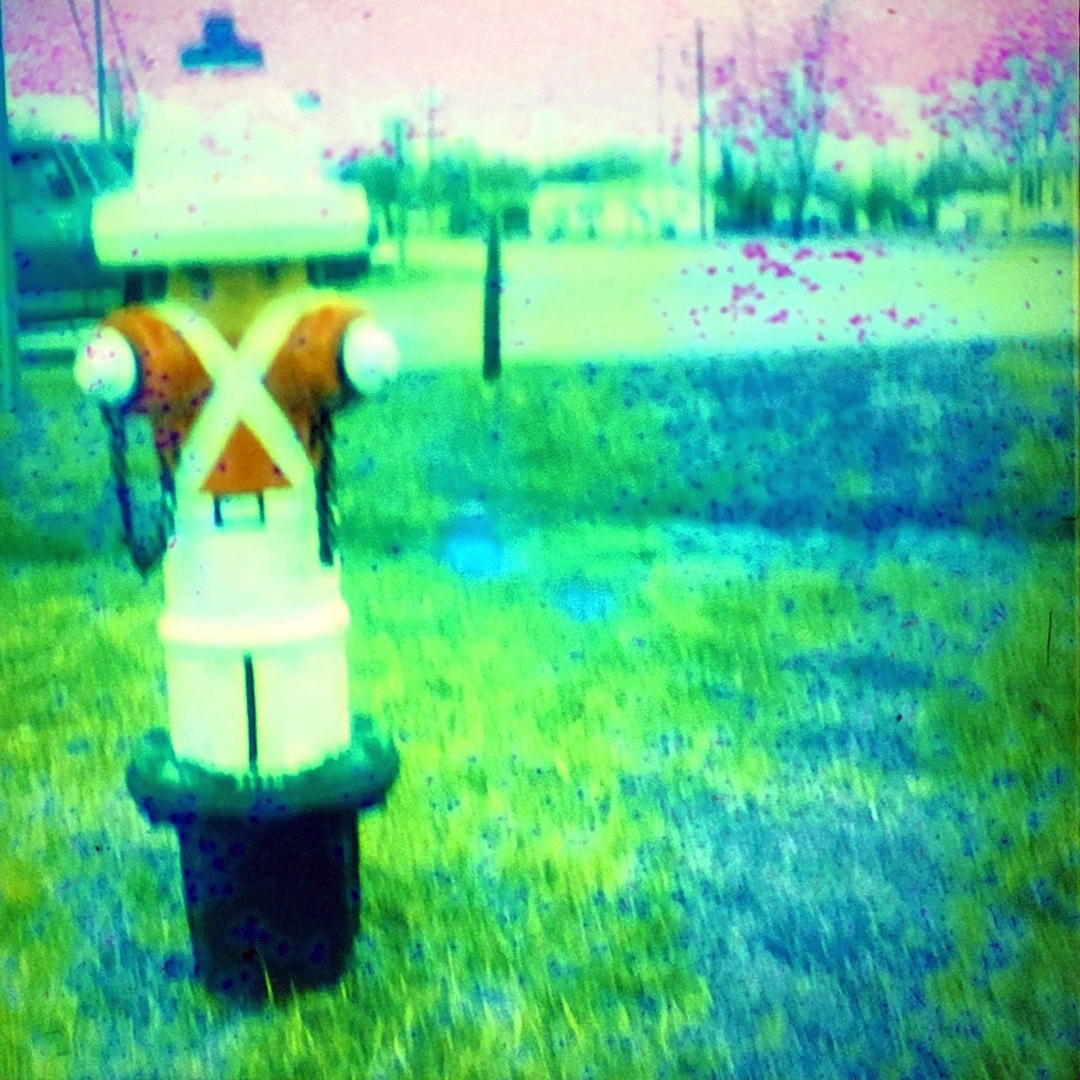



Benjamin Franklin (1706 – 1790)
Franklin was aa scientist, philosopher, and statesman. As statesman, Franklin stood in the front rank of the men who built the U.S. He was the only man who signed all four of these key documents in American history: the Declaration of Independence, the Treaty of Alliance with France, the Treaty of Peace with Great Britain, and the Constitution of this United States.
Franklin’s services as minister to France helped greatly in winning the Revolutionary War. Many historians consider him the ablest and most successful diplomat that America has ever sent abroad.
Benjamin Franklin was born in Boston, Massachusetts, on January 17, 1706. He was the 15th child and the youngest son in a family of 17 children. His parents Josiah and Abiah, were hard-working, God-fearing folk.
[No slides of Benjamin Franklin were found.]
Amos Barret
[The Editor had difficulty reading the handwriting here, so this information was drawn from Google.]
In 1775 Amos Barrett of Concord Massachusetts was 22 years old. On January 30 of that year he enlisted in a minute man company commanded by Captain John Buttrick (later by Captain David Brown). On April 19, 1775, Barrett and his comrades were hotly engaged in the fight at Concord’s North Bridge. In his account, published in 1825, he described in vivid detail his very first time under fire. “…their balls whistled well. We then was all orded to fire that could fire and not kill our [own] men. It is straing that thair warnt no more kild but they fird to high. Capt Davis was kild and mr [Hosmer] and a number wounded.”
Barrett later joined in the pursuit of the British column all the way back to Charlestown.

Crispus Attucks (1723 – 1770)
Crispus Attucks was a leader of the patriot mob that was fired upon by British troops in the so-called Boston Massacre. Little is known of Attucks, a Negro. Several historians believe that Attucks was a runaway slave. He was the first to die for his country’s freedom.

John Dickinson (1732 – 1808)
An American statesman, Dickinson served in the Delaware and Pennsylvania assemblies, the Stamp Act Congress, and the Continental Congress. Dickinson favored conciliation with England. He expressed his calm political views in his “Letters from a Farmer in Pennsylvania” to the inhabitants of the British Colonies. As a delegate from Delaware, he helped to draft the United States Constitution. He was not present when the Constitution was signed, but he asked another delegate to add his name.
Dickinson was born in Talbot County, Maryland, and became a lawyer. Dickinson College at Carlisle, Pennsylvania, was named for him.
[No slides of John Dickinson were found.]
Israel Bissel
Bissel was a postrider; he spread news of the happenings at Lexington and Concord.
[As this was the only information from the program, again, Google was employed.]
Israel Bissell was a patriot messenger during the American Revolution. He is best known for his remarkable ride from Massachusetts to Philadelphia. Bissell rode approximately 345 miles in just 4 days to deliver urgent news. His journey helped alert the Continental Congress about British troop movements. He faced numerous challenges, including rough terrain and hostile encounters. Bissell’s ride is often compared to Paul Revere’s, highlighting its significance in American history.

Chief Running Water
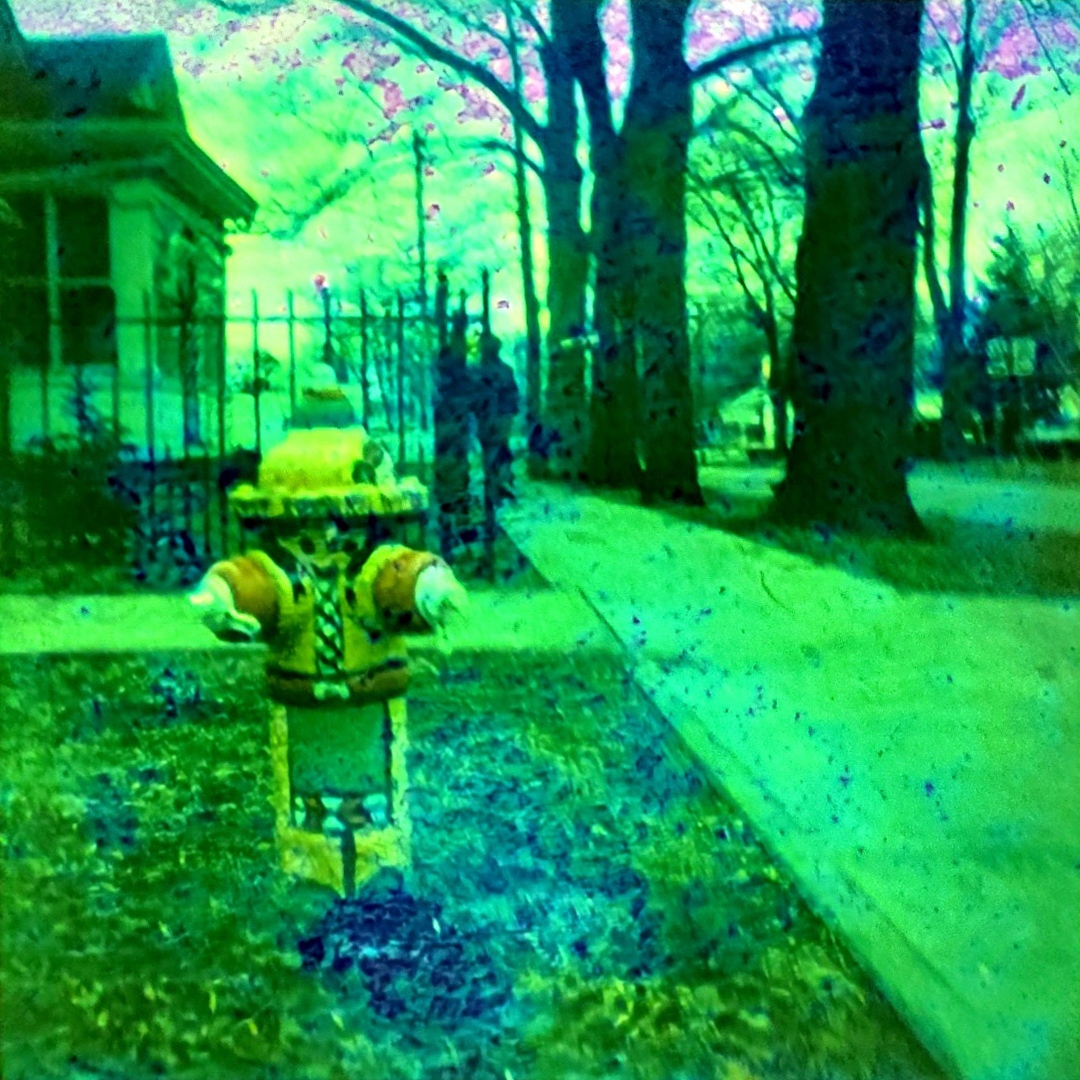
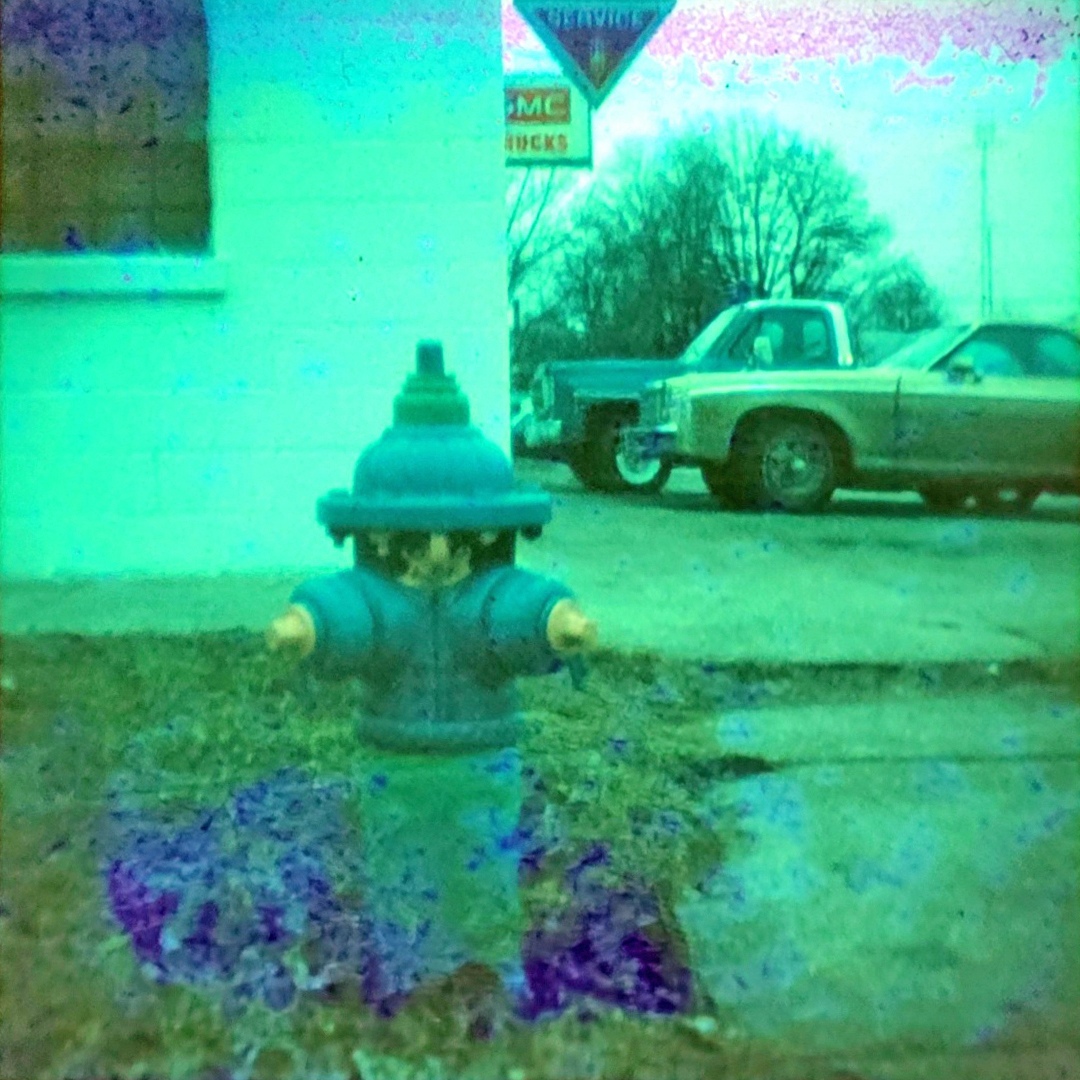
Chief Running Water is representative of the Oneida and Catawba Indians who contributed to the colonial cause.









DATABASE
Fireplugs |
|
Revolutionary Heroes |
Location (in 1976 terms) |
| James Otis | Monticello & Spring by Ace Hardware (now Refined) |
| James Otis | Forest Drive & 13th by Hospital |
| James Otis | On Highway 14 by a brown house |
| Casimir Pulaski | On Northside of School on Highway |
| Casimir Pulaski | Riverside & Main Street |
| Casimir Pulaski | Adams & Market Street |
| Nathan Hale | Either Franklin & Adams or Franklin & Jefferson (confusion) |
| John Glover | Franklin & South Street |
| George Washington | West by Swirly Top |
| George Washington | South & West Street |
| George Washington | Washington & Logan |
| George Washington | Unknown Address |
| Amos Barrett | Adams & Monticello by Library |
| Crispus Attucks | West by Swirly Top |
| Israel Bissell | Washington & Franklin |
| Chief Running Water | Riverside & Jefferson by Mortuary |
| Chief Running Water | On intersection (it does not say which intersection) |
| Chief Running Water | By Burger Dairy Store |
| Chief Running Water | Huddleston & Market |
| Chief Running Water | Market & Washington |
| Chief Running Water | Washington & Logan |
| Chief Running Water | 119 Behind Elevator |
| Chief Running Water | Franklin & Main |
| Chief Running Water | Logan & Main by Courthouse |
| Chief Running Water | Market & Main by Goble Service |
| Chief Running Water | Market & Jefferson |
| Chief Running Water | Unknown Address |