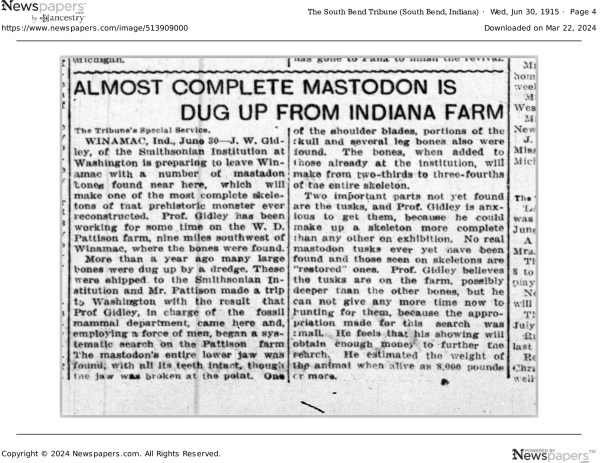
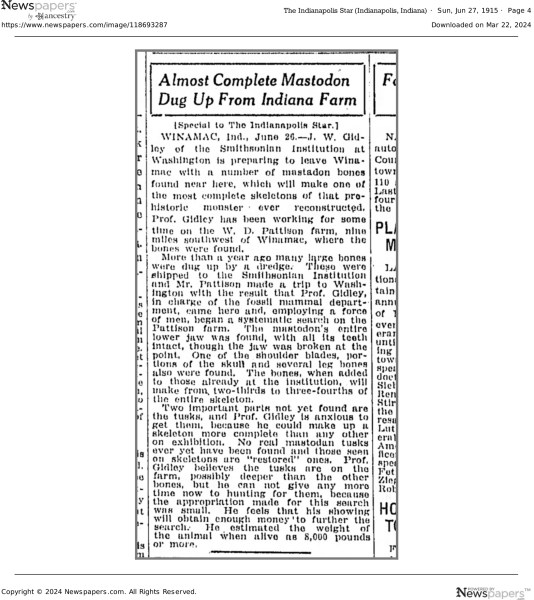
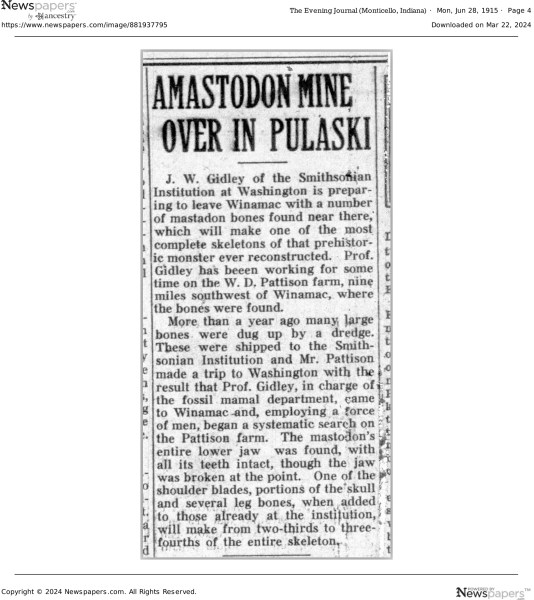
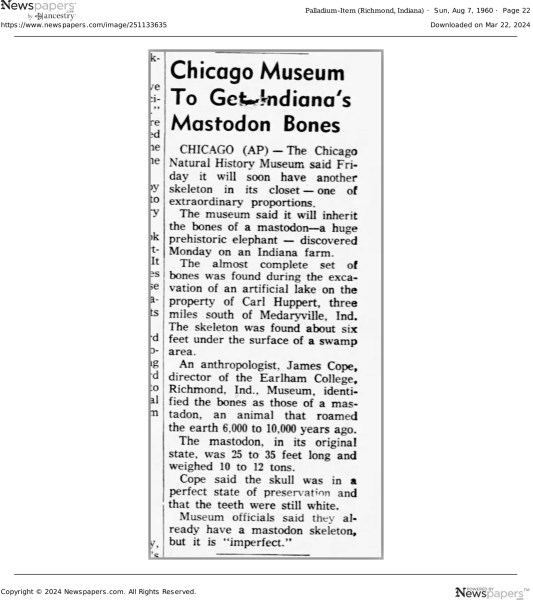
Pieces of mastodons have been found all over the county. The County Historian found several newspaper articles about them.


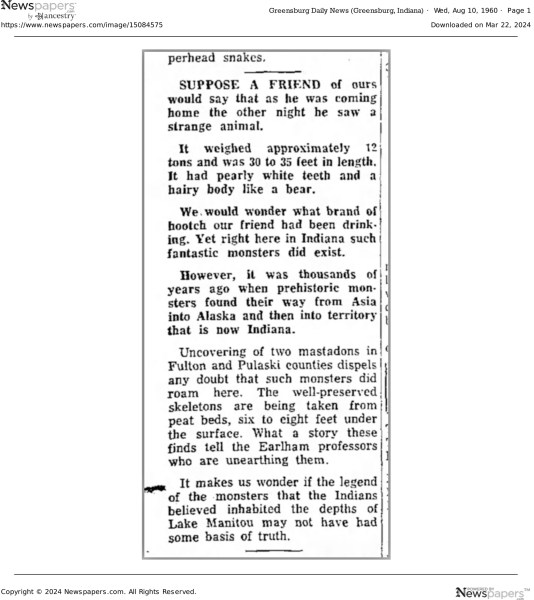
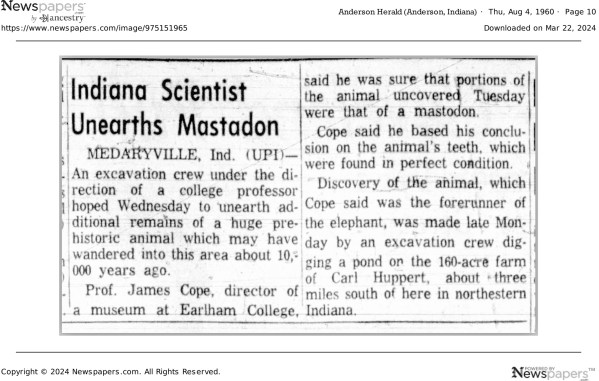
Kenneth Gardner
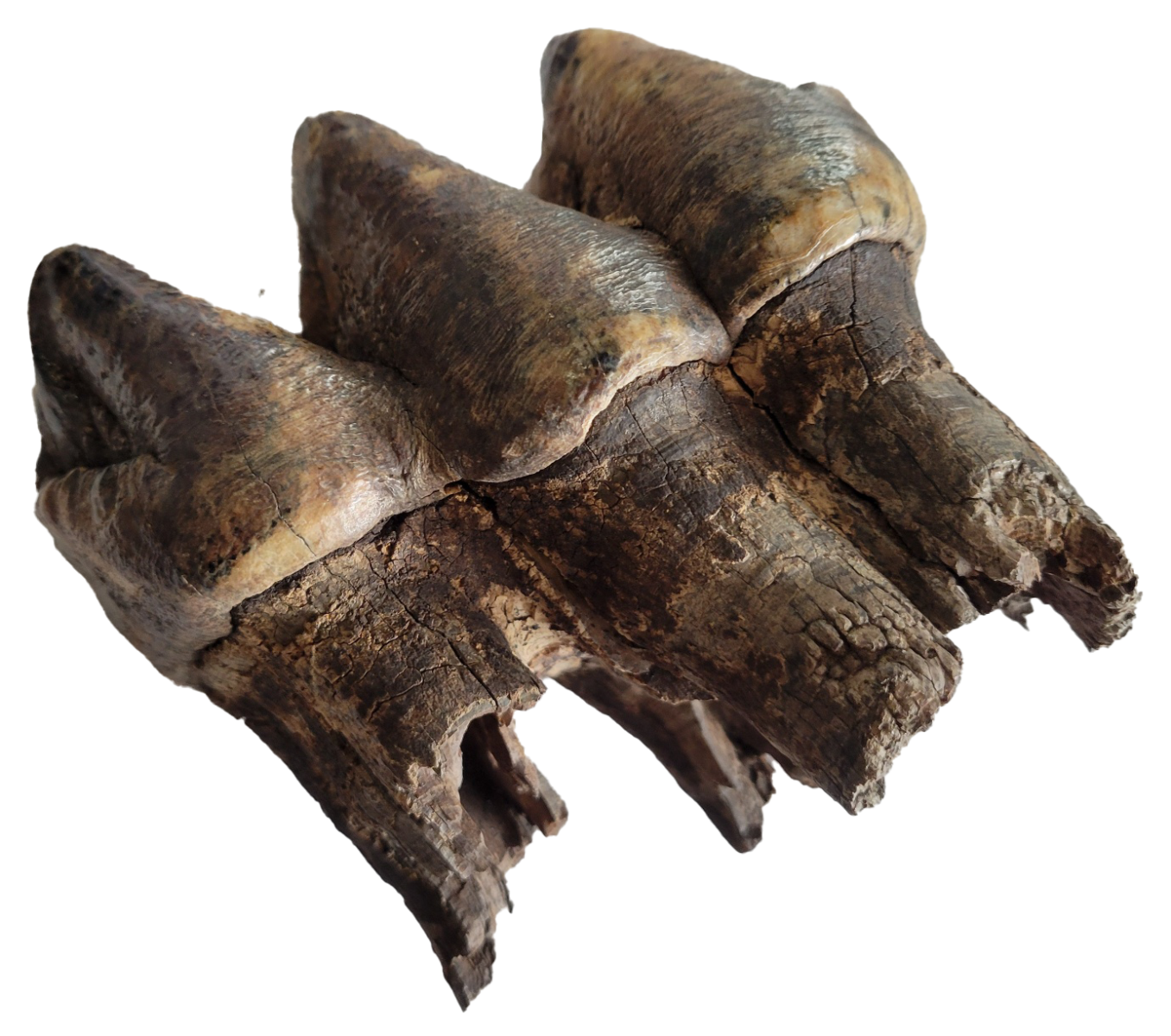
Kenneth Gardner found a molar, and this news article was written. It is not dated.

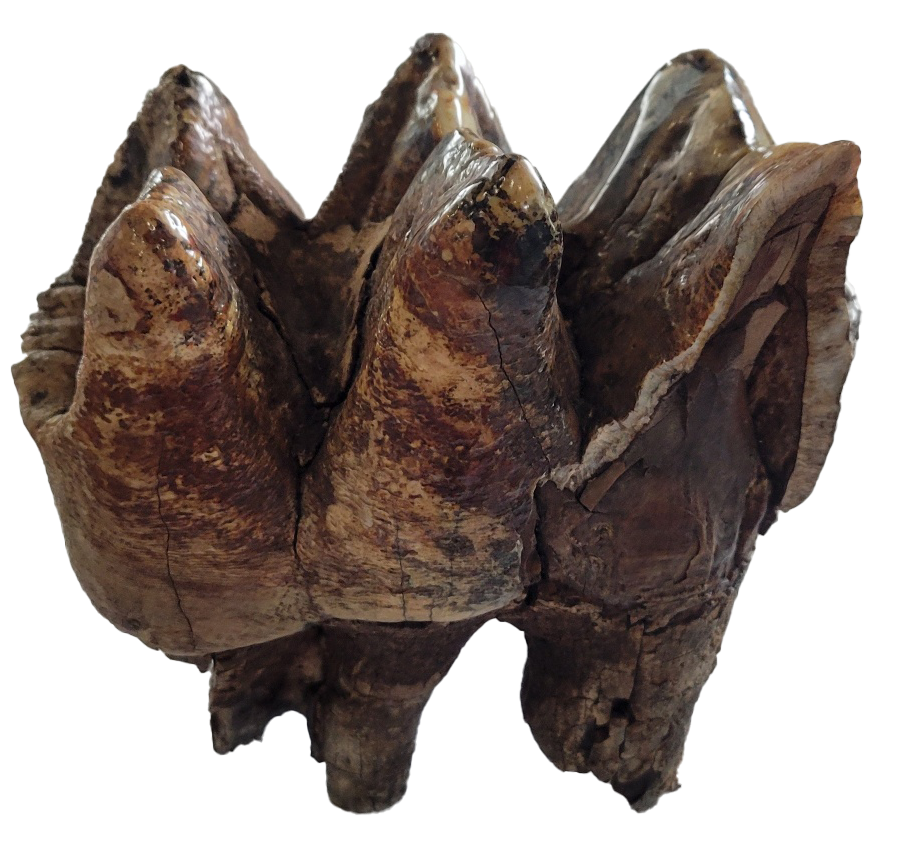
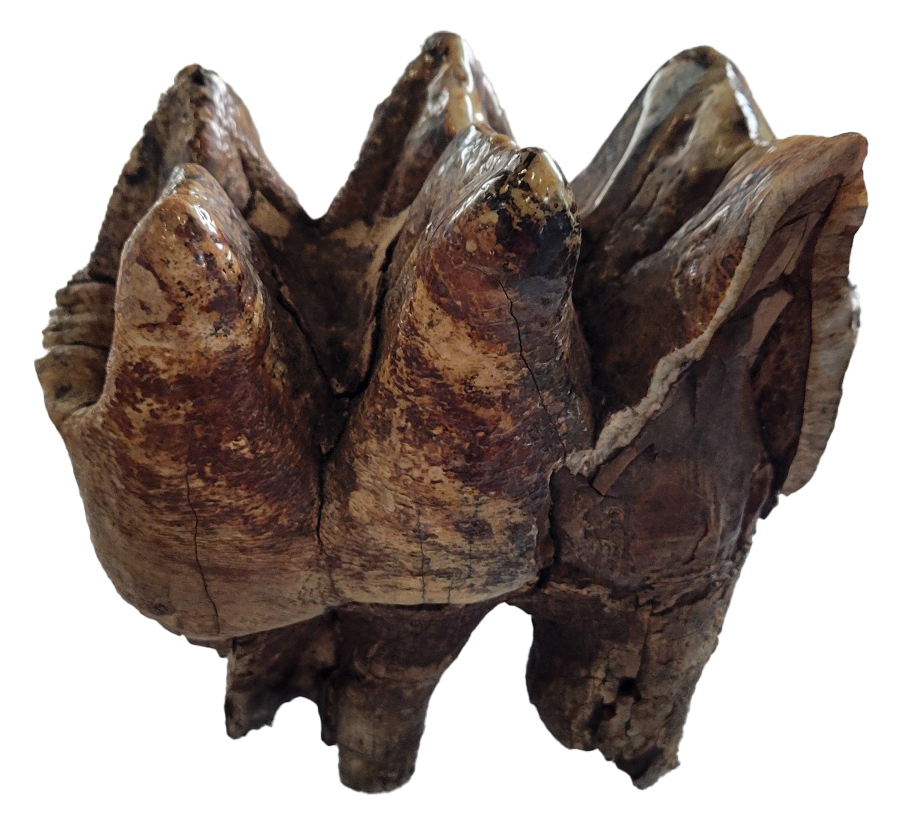
Mastodon teeth are distinguished by their conical cusps, which are suited for crushing leaves and twigs. This contrasts with the ridged, flat molars of mammoths, which were adapted for grazing on grasses. Mastodon molars were replaced throughout the animal’s life. The tooth in the images below shows the typical cusp wear.
The Gardner family gifted this molar to the Museum in 2025.
Click on these photos to see them full-sized.
Humerus Bone
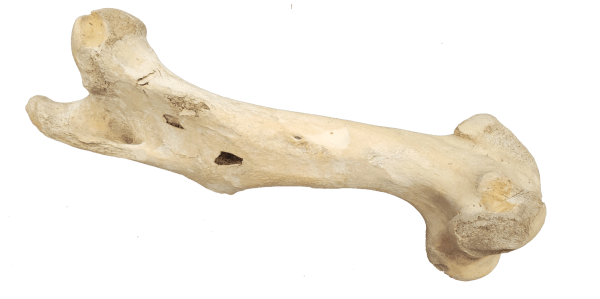 We are searching for the provenance, but for now, let’s just say that when a pond or pool was being dug on the west side of the county, this humerus bone was found.
The the humerus bone, also known as the upper arm bone, is located in the front leg, specifically in the forelimb. It connects the shoulder (where it articulates with the scapula) and the elbow (where it articulates with the radius and ulna). The humerus is a long, single bone of the upper arm in the forelimb, acting as the main supporting bone between the shoulder and the elbow joint.
The humerus is a strong bone that supports the shoulder and allows for a wide range of movements. It’s a common bone to find in archaeological sites, as it’s often preserved well due to its size and density.